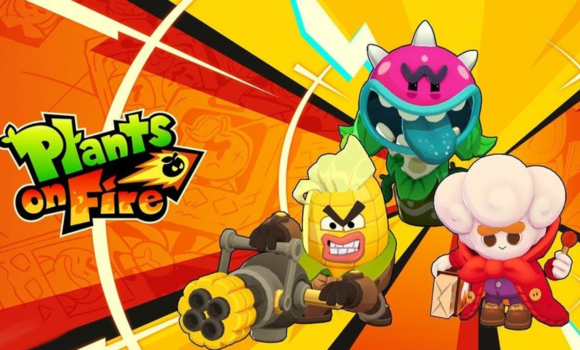
This Plants on Fire: Clash & Defend tier list is based on extensive testing across all the game’s major modes. I’m talking PvP, weekly bosses, cooperative events, and most importantly, clan wars.
If you’re not playing clan wars, you’re missing out on one of the fastest ways to progress your account. The resources you get from wars are insane, and the cards that perform well in war are often different from what works in PvP.
So before we jump in, know that this Plants on Fire tier list is based on the current state of the Plants on Fire game. Balance changes happen and new modes get added. What’s broken today might be mid tomorrow. But as of right now, this is where things stand.
And remember, if your favorite card isn’t ranked where you think it should be, that’s okay. The best card is the one you have fun playing.
How I Made This Plants on Fire: Clash & Defend Tier List
Before we get to the tiers, let me explain my methodology. This isn’t just a PvP tier list. I’m looking at four main factors:
Clan Wars – This is the big one. Clan wars are where you get the most resources, and certain cards are absolutely essential for specific war modes. If a card is meta in a war deck, it gets a boost.
PvP – Obviously important. Cards that dominate in player versus player combat are valuable.
Weekly Bosses – Some cards are specifically designed to melt bosses, and they deserve recognition for that.
Cooperative Mode – This rotates, but certain cards consistently perform well in co-op content.
The tiers break down like this:
- S Tier: Absolutely broken. These cards define the meta and you should be building around them.
- A Tier: Extremely strong. Viable in multiple modes and worth investing in.
- B Tier: Good but situational. They have specific roles and work well in the right decks.
- C Tier: Niche picks. They can work in very specific scenarios but aren’t worth prioritizing.
- D Tier: Skip these unless you’re memeing.
Plants on Fire Tier List Guide
S Tier
These are the cards that make you feel like you’re cheating. If you have them, use them. If you don’t, start grinding.
Tomato
Tomato is the single most broken card in the game right now. I’m not exaggerating. This thing does everything. It works in cooperative mode. It destroys weekly bosses. It’s a monster in PvP. And in clan wars? It’s absolutely absurd.
The reason Tomato is so dominant is its versatility. There’s no mode where it’s bad. You can slot it into almost any deck and it will perform. The damage output is ridiculous, and it enables so many other cards to do their jobs better. If you’re not running Tomato, you’re actively handicapping yourself.
Verdict: Build Tomato. Max it out. Never look back.
Broccoli Pressley
Broccoli Pressley is the support card that makes everything else better. Its ability increases the attack speed of your strongest card, which means your main damage dealer gets to do their thing faster and harder. That’s already incredible, but it gets better.
With the variant, Broccoli Pressley becomes a completely different beast. The attack speed buff is massive, and it single-handedly solves one of the biggest problems in the game: getting your damage dealer online before the enemy overwhelms you. Without the variant, it’s still A Tier. With it I’d say S Tier without question.
Verdict: Get Broccoli Pressley. Get the variant. Your decks will thank you.
Mystic Cashew
Mystic Cashew is broken. That’s the whole review. Broken.
In weekly boss fights, this card trivializes content. The damage output is absurd, and with the variant, it becomes even more ridiculous. I’ve seen bosses melt in seconds because of this card. It’s that strong.
In PvP, it holds its own. In wars, it’s a terror. The only downside is that without the variant, it’s slightly less insane, but even the base version is a solid A Tier. With the variant I’d say S Tier all day.
Verdict: If you have the variant, you have one of the best cards in the game. Use it everywhere.
Tobat
Tobat is the most versatile card in Plants on Fire. It works in cooperative mode. It works on weekly bosses. It works in PvP. And it works in literally every war mode. There is no content in this game where Tobat is bad.
The reason Tobat is so valuable is that it fits into so many different decks. Whether you’re running a DPS-focused build or a support-heavy setup, Tobat finds a home. It’s the ultimate flex card, and having it at a high level should be one of your top priorities.
Verdict: Tobat does everything. Build it. Love it. Never take it out of your decks.
A Tier
These cards aren’t quite as broken as the S Tier picks, but they’re still incredible. You’ll see them in meta decks across all game modes.
Dandelion
Dandelion is a weird one. In PvP, it’s honestly kind of bad. It doesn’t do enough damage, and it gets outclassed by other options. But in clan wars I think Dandelion is a game-changer.
Here’s the thing about Dandelion: it breaks the structure of war. A player who’s stuck on difficulty five can suddenly play on difficulty seven or even eight with Dandelion in their deck. That’s not a small boost. That’s a fundamental shift in what content you can clear and how many points you can score for your clan.
If you’re serious about clan wars, Dandelion is mandatory. If you only play PvP, you can skip it. But trust me, you want to be playing clan wars.
Verdict: Essential for war. Skip if you’re PvP-only.
Pink Being (Ser Rosa)
Pink Being, also known as Ser Rosa, is a card that surprised everyone. On the surface, it doesn’t look like much. But in clan wars, it’s an absolute monster. There are two war decks that simply don’t function without Pink Being, and those decks are among the strongest in the game.
In PvP, it’s decent. Not amazing, but it has a role in specific rush decks. The key is the SS variant. Without it, Pink Being is mediocre. With it I’d say it becomes one of the most important cards from this Plants on Fire tier list for war-focused players.
Verdict: If you’re serious about wars, you need Pink Being with the SS variant. It’s that simple.
Corn
Corn is the card that opens up space for your other damage dealers. It applies slows that make it easier to kill high-HP targets, which is incredibly valuable in PvP against tanky slug-type enemies. It also breaks shields directly, which makes it useful against certain bosses.
In wars, Corn has specific uses. It’s needed for the Lucky Cat war mode to hit those high score thresholds. It’s not a card you build around, but it’s a card that makes everything else work better.
Verdict: Solid A Tier. Great utility in multiple modes, especially PvP.
Apple
Apple has fallen off a bit from where it used to be, but it’s still a very strong card. In PvP, it works well in specific decks. In wars, it’s important for the Iron Mode, where you need it to break shields and deal with tanky enemies.
The key with Apple is leveling it up. At level 12, it unlocks its full potential. Below that, it’s still usable but not as impactful. If you’re planning to push high-level content, get your Apple to 12.
Verdict: Still strong, especially in war. Worth investing in if you have the resources.
Cebardo (Sebardo)
Cebardo is the definition of consistency. It’s not the best at anything, but it’s good at everything. It works in PvP, weekly bosses, cooperative mode, and wars. You can slot it into almost any deck and it will contribute.
The reason Cebardo isn’t S Tier is that it doesn’t excel in any one area. It’s not going to carry your team, but it’s never going to let you down either. Sometimes, that consistency is exactly what you need.
Verdict: A solid, reliable pick for players who want a card that works everywhere.
Astroloquism
Astroloquism is a strong support card that shines in war modes. It has specific decks where it’s essential, and it also works in PvP with explosive decks. The damage boost it provides is significant, and it enables several other cards to reach their full potential.
The catch is that Astroloquism needs to be level 10 to really work. Below that, the percentage boost isn’t high enough to justify a slot. But at level 10 and above? It’s fantastic.
Verdict: Great support card. Level it to 10 and watch your decks improve.
B Tier
These cards are solid but require specific decks or situations to shine. They’re not bad by any means, but they’re not universal picks either.
Guava
Guava is interesting because it has a very specific role: it boosts attack speed for extra damage against weekly bosses. When the animals spawn during boss fights, Guava lets you attack faster and hit the boss harder before they overwhelm you.
In PvP, it works in specific decks. In wars, it has a place in certain strategies. Guava isn’t a card you build around, but it’s a card that makes other cards better.
Verdict: Solid pick for weekly boss content. Niche but useful.
Lancelga
Lancelga is a strong card that works in PvP, weekly boss fights, and wars. It’s especially good in war decks, where it’s considered a meta pick. The damage output is solid, and it fits into several different strategies.
The reason it’s B Tier rather than A is that it doesn’t do anything unique. There are other cards that do what Lancelga does, sometimes better. But if you have it built, it’s never a bad choice.
Verdict: Good all-rounder. Worth using if you have it.
Potato
Potato is a support card that provides extra rounds, which is incredibly valuable in specific decks. The academic deck, for example, relies on Potato to circumvent the initial RNG and get through the first wave.
In PvP, Potato has a place in orange decks. In wars, it’s important for certain strategies. You don’t need to max it out, but having it at level 9 or 10 is recommended.
Verdict: Important support card for specific decks. Level 9-10 is enough.
Banana
Banana works in two war modes and is strong in weekly boss fights. It doesn’t see much play in PvP, but that’s fine because its value is concentrated in PvE content. If you’re running wars regularly, Banana is worth having.
Verdict: Good for war-focused players. Skip if you’re PvP-only.
Mirgéida
Mirgéida is a support card that’s important for hitting high scores in war. It doesn’t deal damage, but it enables the cards that do. In specific war modes, Mirgéida is essential for reaching those million-point thresholds.
Verdict: Essential for specific war strategies. Niche but valuable.
Beringenium
Beringenium works on weekly bosses and has a role in an 800,000-point war deck. It’s not a card you’ll use everywhere, but it has its place. If you’re pushing specific content, Beringenium can help.
Verdict: Situational but useful. Worth having for specific bosses.
Shamanism
Shamanism is strong in PvP and has a war deck that requires it. The deck involves killing dragons and collecting gold, and Shamanism is a key piece of that strategy. In PvP, it works well in specific builds.
Verdict: Good for PvP and specific war decks. Worth building if you like its playstyle.
C Tier
These cards can work, but they’re not worth prioritizing unless you specifically need them for a particular strategy.
Alquimelo
Alquimelo with the variant is useful in the Cave of Nuts war mode, where it helps you hit 1 million points. Without the variant, it’s basically useless. If you have the variant and you’re running that specific war mode, it’s worth using.
Verdict: Only use with the variant. Otherwise, skip.
Solarium
Solarium has uses in PvP and in various war modes. It’s not a star player, but it contributes. If you have it built, it can fill a slot in certain decks.
Verdict: Filler card. Not bad, but not essential.
Wicked Mirror
Wicked Mirror is extremely important in Iron Bravo war mode. Outside of that, it’s a complete disaster. Don’t use it anywhere else.
Verdict: Essential for one specific war mode. Useless everywhere else.
Flouerciante (Flower Merchant)
Flouerciante is strong in wars and works on some weekly bosses. It’s not a card you’ll use in PvP or cooperative mode, but for war-focused players, it has value.
Verdict: War specialist. Good if you’re serious about wars.
Carnivorous Plant
Carnivorous Plant has a specific role in a war deck designed to counter Lixia. It’s also useful in a weekly boss deck. It’s not a universal pick, but it has its niche.
Verdict: Niche but useful. Only build if you need it for specific content.
Little Dragon
Little Dragon works on weekly bosses and in specific war decks. You need it at level 10 for it to tank effectively in wars. It’s not a priority, but it has its uses.
Verdict: Situational. Build if you need it for a specific deck.
Pimentel
Pimentel is similar to Little Lime – it works on specific weekly bosses and in one cooperative mode. Outside of that, it’s not very useful. But when it works, it really works.
Verdict: Niche pick for specific bosses. Not worth prioritizing.
Little Lime
Little Lime is broken in a specific weekly boss fight, but only with the variant. If you have the variant and that boss is active, it’s incredible. Otherwise, it’s mediocre.
Verdict: Only use with the variant during specific boss weeks.
D Tier
These cards are either completely outclassed or only useful in extremely specific situations that don’t justify investment.
Bobolito
Bobolito doesn’t work anywhere. It had potential in a dandelion war mode, but no one could make it work. It also has a pumpkin deck, but that deck is weak. Skip it.
Garlic
Garlic has some use in war for breaking shields, and it can work in PvP with the variant. But it’s not a priority. Get it to level 9 if you need it for war, but don’t invest further.
Cherry
Cherry has no use. There’s nothing it does that another card doesn’t do better. Skip it.
Cocobomb
Cocobomb is only useful in the pumpkin head deck, which is dead. It doesn’t work in war, bosses, or PvP. Skip it.
Leek Bamboo
Leek Bamboo deals terrible damage, and even with the variant, it’s not worth using. Total waste of resources.
Trombacaxinha
Trombacaxinha doesn’t work anywhere. It’s not functional in any game mode. Skip it.
Shield Bearer
Shield Bearer has one specific weekly mode where it’s strong, but outside of that, it’s useless. Not worth building for one niche use.
Headless Pumpkin
Headless Pumpkin is pointless. Its deck is weak, and it doesn’t work in any competitive mode. Skip it.
Ginger
Ginger doesn’t work well in any mode. There’s no place for it in the current meta.
Watermelon
Watermelon is strong in PvP but has no role in war. If you’re PvP-focused, it’s B Tier. If you play wars, skip it.
Carrot
Carrot is awful in PvP and PvE, but it’s essential for wars. If you’re not playing wars, skip it. If you are, you need it.
Frequently Asked Questions
What’s the best card from our Plants on Fire: Clash & Defend Tier List?
Tomato. It works in every mode and defines the meta. If you have it, use it.
What cards should I prioritize for clan wars?
Dandelion, Pink Being, Corn, Apple, and Tomato are all essential for war. If you’re serious about wars, build these cards.
Are D Tier cards worth using?
No. They’re either outclassed or only useful in extremely specific situations that don’t justify investment.
How important are variants?
Very. Many cards go from mediocre to broken with their variant. Broccoli Pressley, Mystic Cashew, and Pink Being are completely different cards with their variants.
Should I focus on PvP or wars?
Wars. Clan wars give you the most resources and help your account grow faster. If your clan isn’t playing wars properly, find one that is.
Discover the latest game tier lists, rankings, meta updates, and character guides to stay ahead of the competition.
Browse all Latest Tier List →
